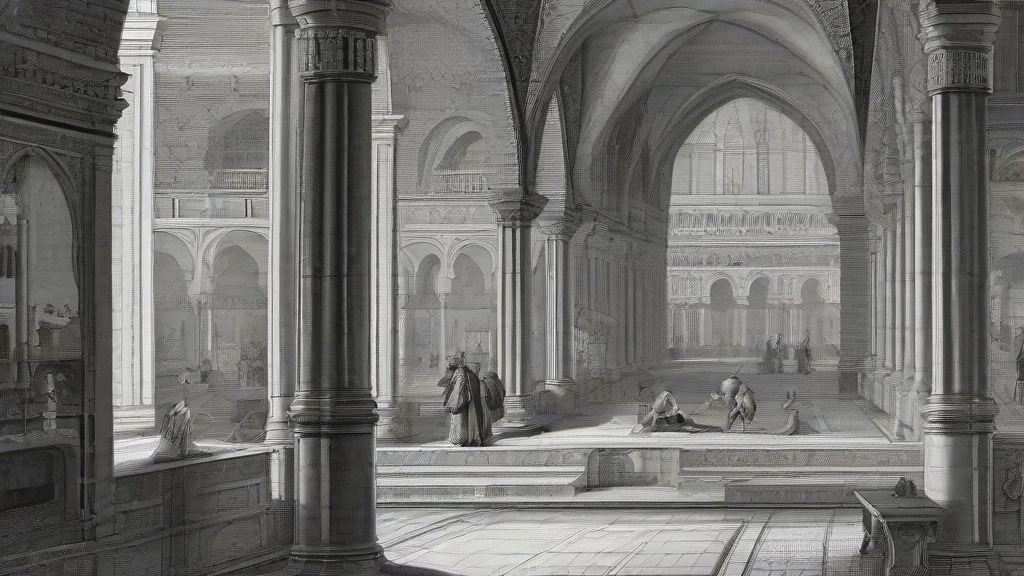
A new exhibition at London’s Victoria and Albert Museum explores the history of Constantinople and Istanbul through more than 200 objects from Byzantine and Ottoman times. “Constantinople to Istanbul: One City, Two Empires” opens on November 7, 2026, and is scheduled to run at the V&A South Kensington until May 9, 2027.
The exhibition follows the city across nearly 1,600 years, from its establishment as an imperial capital under Constantine in the fourth century to its role as a major 19th-century metropolis. Its four sections cover the city’s Roman origins, sacred architecture, Ottoman court patronage and everyday urban life.
Among the early objects is a bronze serpent head from the Serpent Column, which Constantine moved from Delphi to adorn the city’s hippodrome. The exhibition also examines the importance of Hagia Sophia, commissioned by the Byzantine emperor Justinian in the sixth century and later converted into a mosque after the Ottoman conquest of Constantinople in 1453.
Religious and monastic life is represented by objects including the Lincoln Typikon, an illuminated 14th-century manuscript from a Constantinople nunnery. The exhibition is showing it on loan from Lincoln College, Oxford, for the first time in six decades, according to the source report.
The Ottoman sections include Gentile Bellini’s 1480 portrait of Sultan Mehmet II, a long processional scroll depicting the sultan’s palace retinue, a silk kaftan woven with gold thread and a pair of gold pistols presented by the Ottoman court to King George III. The final section turns from imperial settings to 19th-century social life, with depictions of coffee houses, literary salons and public bathhouses.
Sources: Smithsonian Magazine.